If there was one digital product that truly shook the market in the first half of 2026, it would undoubtedly be the Oppo realme P4 Power 5G – a device that swept the mid‑range segment in India.
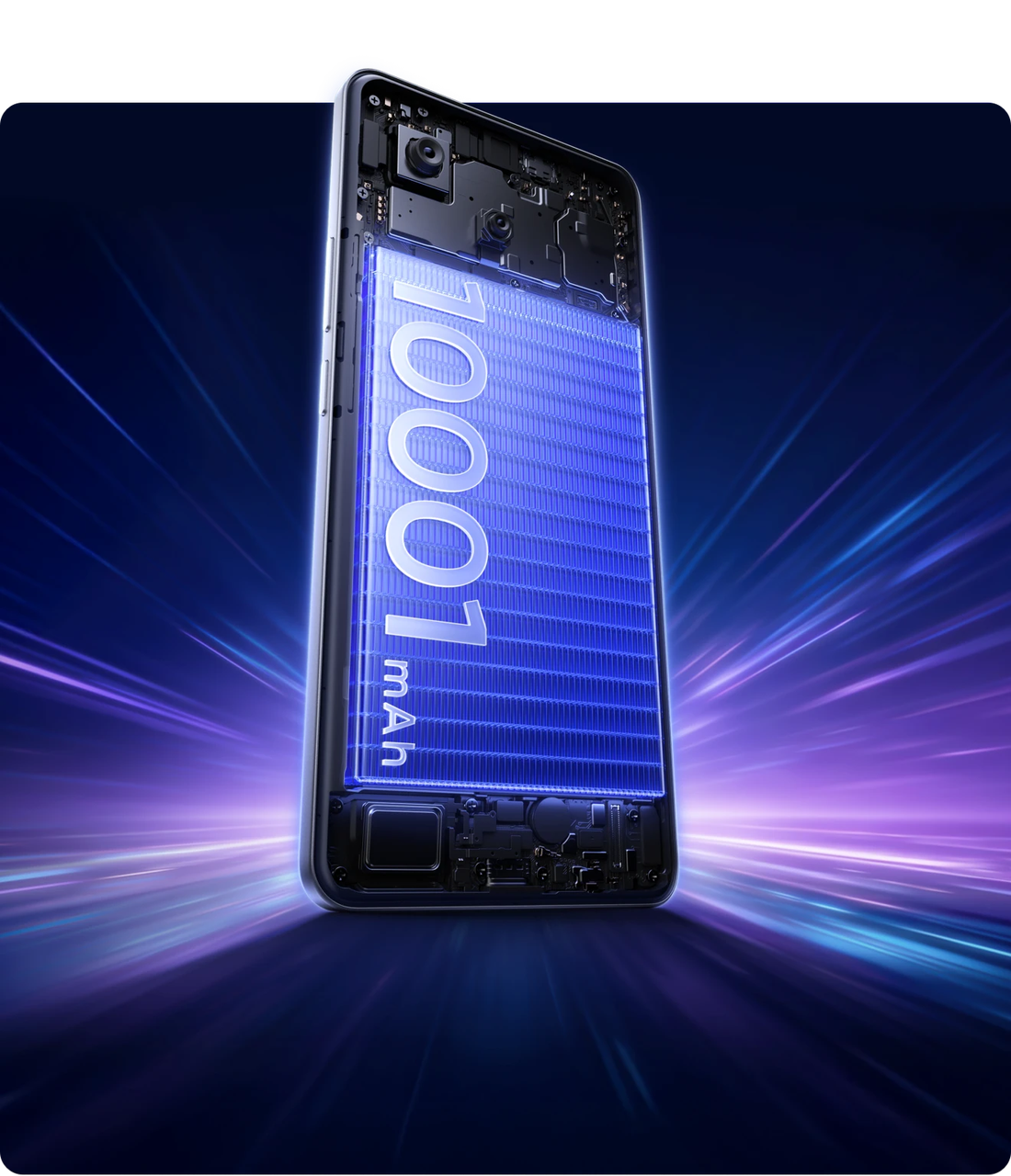
No fancy slogans, just a solid “ceiling of battery life” – this powerhouse packs a 10,001 mAh Titan battery, earning the title of “India’s first 10,000 mAh battery phone.” Within the first hour of its launch, sales surged by 291% compared to its predecessor.
Behind this impressive achievement, NuVolta Semiconductors quietly delivered a self‑transcendence with its NU2118A chip.
Longer Than Long – The Backbone of the realme P4 Power
At the end of January 2026, realme unveiled the P4 Power 5G in India. It features a 6.8‑inch 1.5K quad‑curved display with 144 Hz refresh rate and 6500 nits peak brightness, paired with the power‑efficient MediaTek Dimensity 7400 Ultra chipset. But what truly sets the P4 Power 5G apart from its competitors is its “next‑generation silicon‑anode battery.”
Official data shows that this battery supports:
-
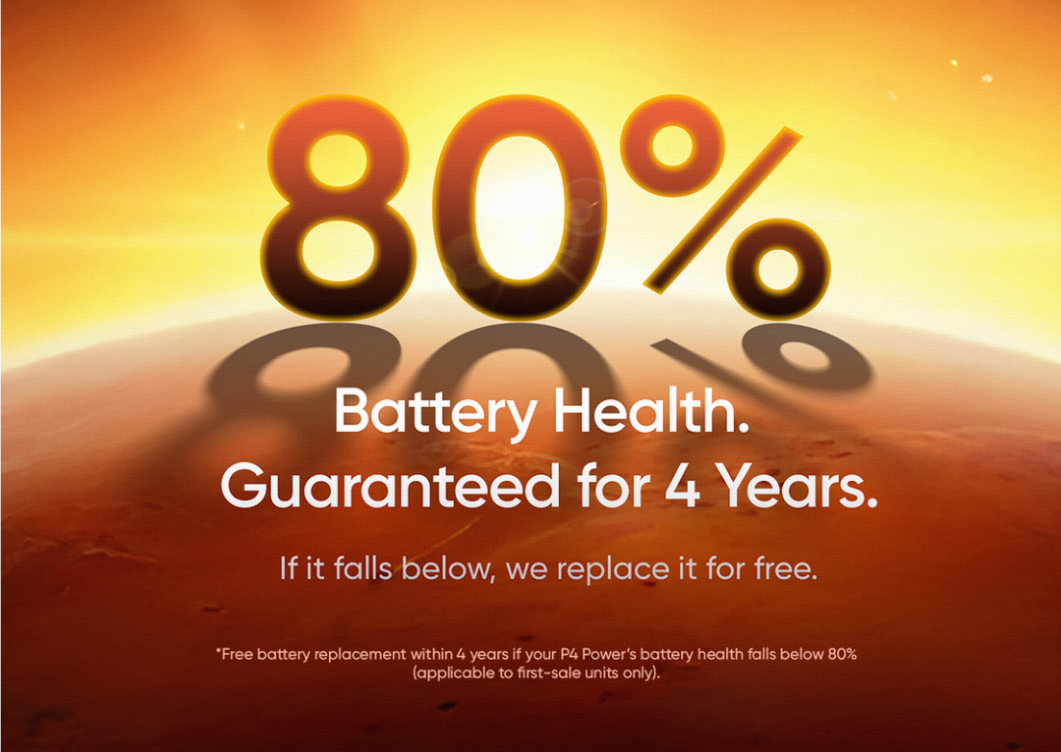
1,650 full charge cycles, retaining 80% of its original capacity even after 8 years,
-
80 W wired fast charging (50% in 36 minutes), and
-
27 W reverse charging.

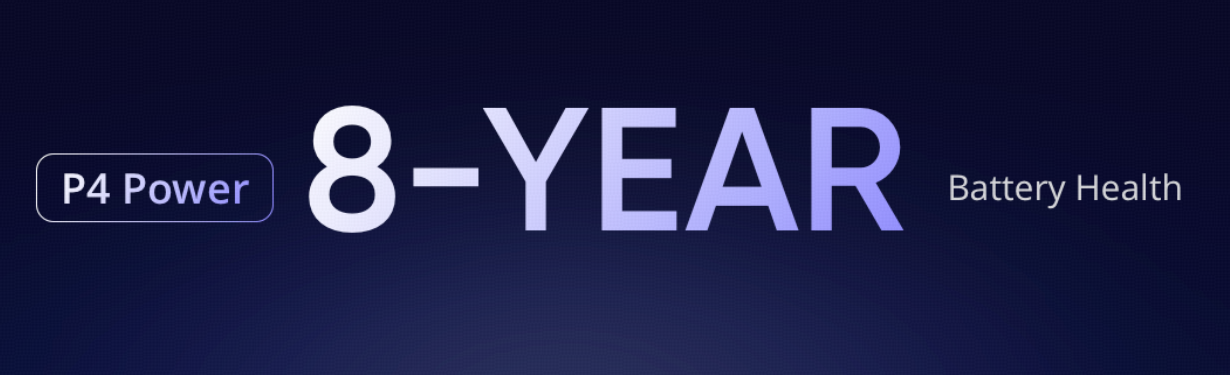
Together, these features redefine user expectations for smartphone battery life.
In the company’s own words: “This is a defining product in the mid‑range market, backed by industry‑leading battery technology, flagship‑grade performance, and a design philosophy tailored for Gen Z.”
The Heart Behind the Spotlight – NU2118A
While the phone steals the show, the real hero hides in the circuitry. The realme P4 Power is equipped with NuVolta’s NU2118A.
The NU2118A is an integrated switched‑capacitor and bypass‑architecture 8‑A battery charging/discharging solution with an efficiency of 98.3%. Its switched‑capacitor architecture and integrated FETs are optimised for a 50% duty cycle, halving the cable current relative to the battery current – significantly reducing cable losses and controlling temperature rise. The two‑phase structure lowers input capacitance requirements and reduces output voltage ripple. The chip also integrates BC1.2, VOOC, and UFCS protocols.
To date, the model has accumulated over 200,000 activations. More importantly – backend telemetry monitoring shows that no charging‑related faults have been reported so far.
The NU2118A represents a qualitative leap forward, achieved by the engineering team through countless validations and refinements. At present, the realme P4 Power 5G has a cumulative production volume of about 400,000 units, each using two NU2118A chips, and the market feedback has been highly positive.
The Big‑Battery Era and the Future of Reverse Charging
Thanks to the widespread adoption of silicon‑anode battery technology, smartphone battery capacities are likely to grow rapidly – from around 7,000 mAh in 2025 to approximately 11,000 mAh by 2028
The Honor X70 (8,300 mAh) launched in July 2025, and the Honor WIN (10,000 mAh) released in December 2025, both confirm this trend – and both support 80‑100 W wired/wireless fast charging.
As large‑capacity batteries and high‑power fast charging become flagship standards, the demand for device‑to‑device reverse charging is also growing.
Currently, high‑power wireless reverse charging is only feasible between Android phones and iPhones; Android‑to‑Android high‑power fast charging is still not supported. The next big trend in high‑power charging could well be convenient mutual charging among Android users. To address this, NuVolta is already developing products that support the PPS fast‑charging protocol – stay tuned.
More and more smartphone and accessory manufacturers are turning their attention to NuVolta’s “highly integrated, highly reliable, zero‑failure” charging solutions. As Android reverse‑charging protocols move toward unification, NuVolta is well positioned to become a key player in breaking down the barriers to Android‑to‑Android charging, unlocking even broader market prospects.